First, separate the formats
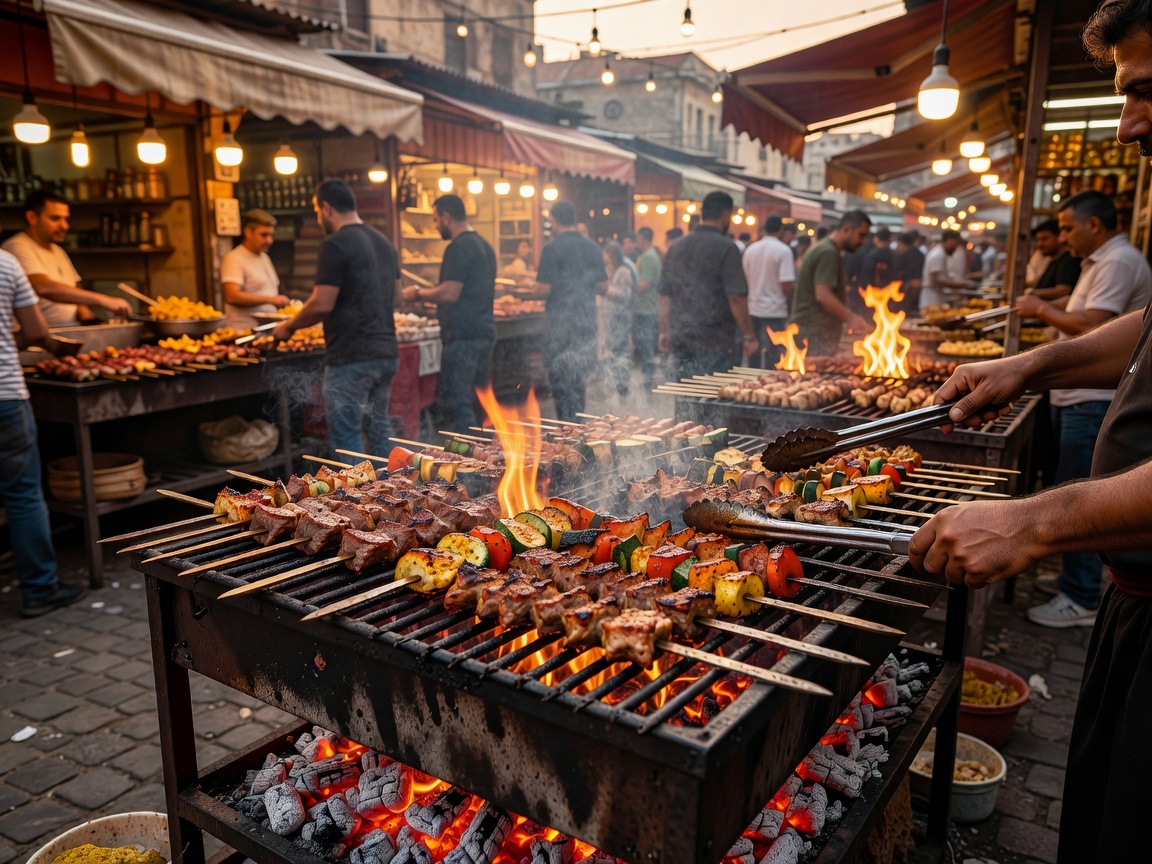
A night market is generally associated with evening trading, but it may include shopping and entertainment as well as food. A covered food market is a building or hall containing food counters, produce sellers or both; its schedule may extend through daytime. A market street is an urban stretch with food businesses and vendors, not necessarily one managed market. A hawker centre is a shared dining complex with multiple independent food stalls and communal seating. A commercial dining district can have restaurants, bars and snack counters without being a market at all.
These categories overlap in everyday conversation, but they are not interchangeable. The distinction helps set expectations about seating, payment, hours and the range of food you may find. Named places also evolve: businesses move, rules change and parts of a district may trade at different times. This guide offers context, not current schedules or stall listings.
Taipei: night-market streets and snack culture
Shilin Night Market and Raohe Street Night Market are identifiable Taipei destinations associated with evening food and shopping. They offer useful examples of street-based market experiences, but individual stalls, queues, hours and conditions can change. Shilin is a large market area whose food and retail activity spans multiple lanes and settings; Raohe is a market street experience with a concentrated route. Check current city and local information before planning a visit, and allow for dense pedestrian traffic in busy periods.
Taiwanese night-market food is varied rather than one fixed menu. Visitors may encounter grilled, fried, steamed and sweet snacks. A familiar dish can have vendor-specific versions, so ask about ingredients instead of relying on a label alone.
Japan: different kinds of food destinations
Nishiki Market in Kyoto is a historic shopping street known for food retail and prepared specialties. It is a market street, not simply an evening-only night market, and visitors should check current hours and local guidance. Dotonbori in Osaka is a lively commercial dining and entertainment district with food businesses; describing it as a classic night market would blur an important difference. It can still offer plenty of street-facing food culture, but its format is urban district rather than a single market lane.
Food markets and snack streets in Japan have their own etiquette and local rules. Where signs request that visitors eat in designated areas, follow them; narrow lanes can become congested when people stop to eat or take photographs.
South Korea: covered halls and seafood markets
Gwangjang Market in Seoul is a covered traditional market with a strong food presence; its identity is not limited to night trading. Jagalchi Market in Busan is a major seafood market, with a different relationship to fresh fish, retail and prepared meals. Both demonstrate why “food market” includes more than street-food stalls. Operating patterns and facilities can change, so seek current official or local information for practical details.
At seafood markets, ask clearly about what is included in a prepared meal, how ordering works and whether seating or preparation is handled separately. Don’t assume that every counter has the same process.
Southeast Asia: hawker centres and market streets
Jalan Alor in Kuala Lumpur is a recognizable dining street with a concentration of food businesses and evening activity. It is better understood as a food street or dining district than a traditional enclosed market. Lau Pa Sat in Singapore is a historic food centre and hawker destination with stalls and shared dining space; it is not the same format as a temporary street market. Ben Thanh Market in Ho Chi Minh City is a covered market with retail and food activity, while Chatuchak in Bangkok is widely associated with a large weekend market and daytime trading rather than being described simply as a night market.
These examples are starting points for learning market formats, not guarantees that a particular stall or dish will be available. Confirm current operations, transport and local visitor advice before you go.
Pros and trade-offs of a well-known market
- Useful orientation: established destinations are often easier to identify and may have more information available.
- Wide choice: a cluster of stalls or counters can make it easier to compare foods in one area.
- Busy conditions: popularity can mean crowds, queues and less room to pause.
- Changing character: well-known areas may shift over time; online descriptions can lag behind local reality.
Good for
- Travellers who want to understand the difference between a market and a food district.
- Readers planning a flexible evening around several food options.
- Anyone who wants place context without made-up schedules or vendor claims.
What to know
- A famous name does not establish current opening hours, menu availability or accessibility.
- Check local official information and recent transport guidance before visiting.
- Leave space for local customs, queues and residents using the area.
How to plan without overplanning
Choose a destination based on the format you want: a shared-seat hawker centre, a covered market, an evening street or a broader dining district. Look for current information from city services, market operators or other reliable local sources. Make a transport plan, consider accessibility and dietary needs, and avoid relying on old posts for hours or prices.
Once there, take a short look around before ordering. Respect photography notices, keep pathways clear and ask vendors direct questions about ingredients. The best market visit is not necessarily the one with the longest list of famous dishes; it may be the one where you understand the setting a little better than you did before.